7 Warehouse Bottlenecks That Slow Operations and How to Fix Them

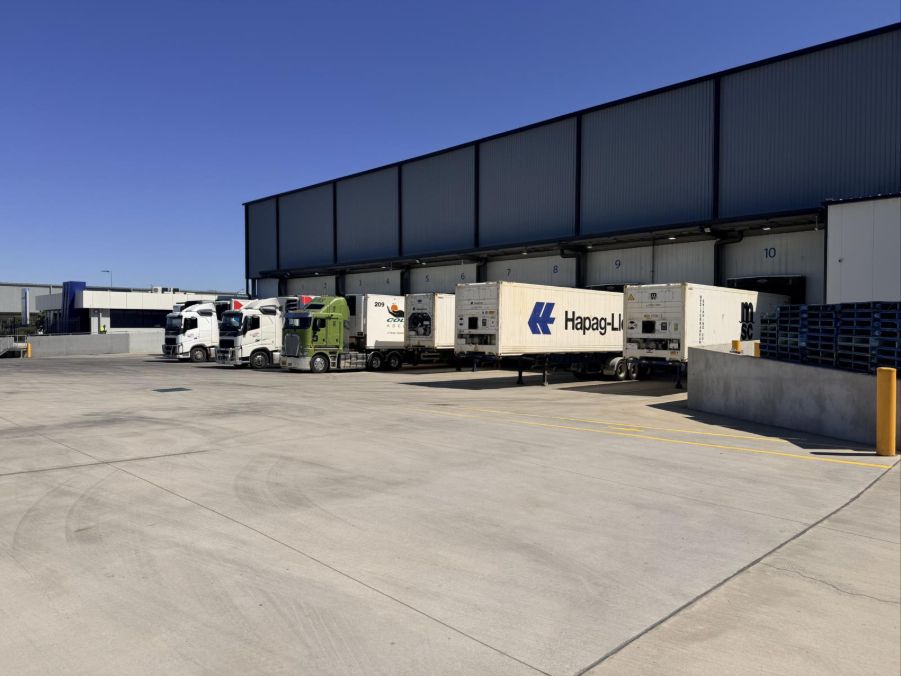
Whether the problem stems from congested loading docks, inefficient labour allocation or limited visibility of inbound deliveries, even a single constraint can significantly reduce warehouse throughput.
By improving scheduling, enhancing visibility and streamlining workflows, warehouse operators can reduce congestion, eliminate avoidable delays and create a more efficient flow of goods throughout their facilities.
What Are Warehouse Bottlenecks?
Warehouse bottlenecks are points within an operation where work accumulates faster than it can be processed. These restrictions slow the movement of goods, create warehouse delays and reduce overall productivity.A bottleneck can occur anywhere within the warehouse, including:
- Loading docks
- Receiving areas
- Picking operations
- Packing stations
- Storage locations
- Dispatch areas
- Yard management processes
Because warehouse activities are interconnected, a delay in one area often creates knock-on effects throughout the facility.
Why Warehouse Bottlenecks Matter
Many organisations invest heavily in warehouse technology, automation and labour resources but still experience warehouse inefficiencies due to poor process flow.
The consequences typically include:
- Longer vehicle waiting times
- Increased labour costs
- Missed delivery windows
- Reduced warehouse throughput
- Higher demurrage charges
- Lower customer satisfaction
- Increased safety risks caused by congestion
For busy distribution centres, managing these constraints effectively can have a significant impact on operational performance.
1. Uncontrolled Loading Dock Scheduling
For many warehouses, the loading dock is the single largest source of warehouse congestion.When carriers arrive without scheduled appointments, warehouse teams often face unpredictable peaks and troughs in workload. Multiple vehicles may arrive simultaneously, creating queues, delays and inefficient use of dock capacity.
How to Fix It
Implement a structured dock appointment scheduling process that allows carriers to book arrival windows in advance.A digital dock scheduling platform can help:
- Balance vehicle arrivals throughout the day
- Prevent dock overcrowding
- Improve labour planning
- Reduce waiting times
- Increase dock utilisation
Solutions like the Mobiledock's loading dock scheduling platform help organisations coordinate deliveries and collections through a centralised booking system, reducing congestion and improving operational visibility.
2. Poor Visibility of Incoming Deliveries
Many warehouse delays begin long before a truck reaches the gate.
When warehouse teams lack accurate information about inbound deliveries, they struggle to plan labour, equipment and storage space effectively.
Common symptoms include:
- Last-minute schedule changes
- Labour shortages during peak periods
- Overstocked receiving zones
- Extended unloading times
How to Fix It
Create greater visibility across inbound logistics by connecting delivery schedules with operational planning.
Advanced scheduling systems allow teams to see:
- Expected arrival times
- Vehicle status updates
- Shipment details
- Dock allocations
- Capacity utilisation
Distribution centres that improve delivery visibility are better positioned to allocate resources efficiently and maintain operational flow.
For organisations managing high-volume warehouse operations, our Distribution Centre solutions focus on dock scheduling, inventory control and real-time visibility across dock activities.
3. Inefficient Receiving Processes
Receiving operations often become overwhelmed when deliveries arrive faster than warehouse teams can process them.
Paper-based documentation, manual check-ins and inconsistent workflows can quickly create backlogs.
These warehouse inefficiencies often result in:
- Longer unloading times
- Inventory inaccuracies
- Delayed stock availability
- Increased congestion in receiving areas
How to Fix It
Standardise receiving procedures and automate as many administrative tasks as possible.
Useful improvements include:
- Digital proof of delivery
- Automated check-in processes
- Barcode scanning
- Electronic documentation
- Pre-arrival shipment validation
Reducing administrative effort enables warehouse staff to spend more time processing goods and less time managing paperwork.
4. Poor Labour Allocation
Warehouse resources are expensive, and labour shortages continue to challenge supply chain operations around the world.
When staffing levels don't align with workload demand, bottlenecks quickly emerge.
Typical indicators include:
- Overtime costs rising
- Workers standing idle during quiet periods
- Understaffed shifts during delivery peaks
- Slow picking and processing rates
How to Fix It
Use forecasted delivery schedules to improve workforce planning.By understanding when deliveries and collections are expected, managers can:
- Allocate labour more efficiently
- Reduce overtime
- Improve productivity
- Maintain service levels during busy periods
Predictable dock scheduling creates a more consistent workload that supports better resource planning across the entire warehouse.
5. Warehouse Congestion in Staging Areas
Even when receiving and dispatch operations are functioning effectively, congestion can occur inside the warehouse.
Staging areas are particularly vulnerable because they serve as temporary holding locations for inbound and outbound goods.
When these spaces become overcrowded, operators may experience:
- Slower forklift movements
- Reduced picking efficiency
- Increased handling damage
- Safety concerns
How to Fix It
Review storage layouts and inventory flows regularly.
Practical improvements include:
- Clearly designated staging zones
- FIFO inventory processes
- Better slotting strategies
- Scheduled inbound and outbound movements
Limiting unnecessary accumulation of goods helps maintain a smoother operational flow.
6. Lack of Real-Time Communication
Communication failures remain a common source of warehouse delays.
Warehouse teams, transport providers and suppliers often rely on phone calls, emails and manual updates to coordinate deliveries.
This creates:
- Missed appointments
- Confusion over dock assignments
- Unexpected delays
- Inefficient rescheduling
How to Fix It
Adopt systems that provide automated communication and real-time updates.
Integrated scheduling platforms can automatically notify stakeholders about:
- Booking confirmations
- Schedule changes
- Arrival times
- Delays
- Dock allocations
Mobiledock's platform supports automated communication between carriers, suppliers and operational teams, helping reduce manual coordination and improving visibility throughout the delivery process.
7. Disconnected Systems and Data Silos
Many warehouse bottlenecks occur because critical operational data is spread across multiple systems.
Warehouse teams frequently manage information across:
- ERP systems
- Warehouse management systems (WMS)
- Transport management systems (TMS)
- Spreadsheets
- Email chains
Without integration, teams often work with incomplete or outdated information.
How to Fix It
Create stronger connections between operational systems to ensure information is shared automatically.
Benefits include:
- Improved decision-making
- Reduced manual data entry
- Better inventory accuracy
- Faster issue resolution
- Improved warehouse throughput
Integrated operations enable managers to identify emerging bottlenecks before they affect service levels.
Common Mistakes That Create Warehouse Bottlenecks
Many organisations unintentionally create operational constraints through avoidable practices.
Some of the most common include:
- Allowing unrestricted vehicle arrivals
- Relying on spreadsheets to manage dock bookings
- Failing to measure dock utilisation
- Ignoring carrier waiting times
- Operating without real-time visibility
- Overlooking communication gaps between departments
- Reacting to congestion instead of preventing it
Addressing these issues proactively can significantly improve operational efficiency.
Frequently Asked Questions
What is a warehouse bottleneck?
A warehouse bottleneck is any point in a process where work accumulates faster than it can be completed. This restriction slows operations and reduces overall throughput.
What causes warehouse congestion?
Warehouse congestion is commonly caused by unscheduled vehicle arrivals, limited dock capacity, poor labour planning, inefficient layouts and inadequate visibility of inbound deliveries.
How do warehouse bottlenecks affect throughput?
Bottlenecks reduce warehouse throughput by slowing the flow of goods through receiving, storage, picking and dispatch operations.
How can loading dock scheduling reduce warehouse delays?
Scheduling delivery appointments helps spread arrivals throughout the day, reducing queues, improving labour utilisation and preventing congestion at receiving docks.
What is the biggest bottleneck in most warehouses?
For many operations, loading dock management is a major constraint because it directly impacts receiving, dispatch and labour planning activities.
How do you measure warehouse bottlenecks?
Key metrics include:
- Vehicle waiting times
- Dock utilisation
- Throughput rates
- Order cycle times
- Labour productivity
- Dwell times
- Receiving turnaround times
Key Takeaways
- Warehouse bottlenecks reduce operational efficiency and increase costs.
- Loading dock congestion is one of the most common causes of warehouse delays.
- Better visibility, scheduling and communication can significantly improve warehouse throughput.
- Labour planning becomes more effective when delivery schedules are predictable.
- Integrated technology helps eliminate warehouse inefficiencies and supports continuous improvement.
Want to reduce warehouse bottlenecks and improve dock efficiency?
Discover how Mobiledock helps warehouses, distribution centres and logistics operators gain greater control over delivery scheduling, reduce congestion and improve warehouse throughput through intelligent dock appointment management.